


Chronic eye irritation creates daily frustration. Tasks like reading a book or driving to work become suddenly uncomfortable when your vision feels compromised.
Dry eye happens when your eyes don’t produce enough tears or when the tears you do produce evaporate too quickly, leaving the surface of your eye irritated and unprotected. This lack of moisture leaves the sensitive ocular surface unprotected. Symptoms vary widely from person to person, so it’s an incredibly easy condition to misread. Your optometrist can help pinpoint what’s going on with a comprehensive eye exam.
The Most Common Dry Eye Symptoms
Dry eye doesn’t always feel like what you’d expect. The sensations can be sharp or subtle, and they often change throughout the day.
Watch for these specific symptoms:
- Stinging, burning, or a scratchy feeling in your eyes
- A gritty or sandy sensation, like something is stuck under your eyelid
- Light sensitivity or noticeable eye redness
- Blurry or fluctuating vision throughout the day
- Stringy mucus around the eyes in the morning
Surprising Signs You Might Not Expect
Watery eyes can actually be a symptom of dry eye, which frequently catches people off guard. When your eyes dry out, they sometimes overreact by flooding with reflex tears. Those tears aren’t the same as the ones that keep your eyes coated and comfortable, so the dryness doesn’t go away.
What Can Be Mistaken for Dry Eye
Dry eye shares symptoms with a few other common conditions, which makes it easy to misread what’s actually going on. Learn the differences and communicate your discomfort clearly to your optometrist.
Similar conditions include:
- Eye allergies: Allergies cause severe itching and redness that look practically identical to standard dry eye. These reactions are tied to seasonal changes or specific environmental factors rather than to chronic tear dysfunction.
- Blepharitis: Inflammation along the eyelid produces irritation that closely resembles a lack of natural moisture. Talk to your optometrist and identify the root cause of this specific swelling.
- Screen Fatigue: Staring at a digital device reduces your blink rate and leads to notable eye fatigue. Rest your eyes immediately and remind yourself to blink to improve this discomfort.
Getting the right diagnosis matters because the right treatment depends on knowing what you’re actually dealing with.
What Puts You at Higher Risk
Some things that raise your risk for dry eye are simply part of life. That doesn’t mean you’re stuck with the discomfort, but it helps to know what to watch for.
Keep an eye out for these factors:
- Being over 50, since tear production naturally decreases with age
- Hormonal shifts during pregnancy or menopause
- Certain medications, including antihistamines and antidepressants, which can reduce tear production
If you’re in this age range, pairing that awareness with regular adult and senior eye exams gives you and your optometrist a clearer picture of how your eyes are changing over time.
Daily Habits That Cause Dryness
Your daily routine can make a real difference in how your eyes feel. A few habits are especially associated with dryness:
- Long stretches of screen time reduce how often you blink, which lets tears evaporate faster
- Dry or smoky environments pull moisture from the surface of your eyes
- Contact lens wear can increase dryness because lenses absorb the tear film your eyes depend on
Simple Ways to Find Relief at Home
There are small changes you can make today that can help your eyes feel more comfortable, especially if your symptoms are mild:
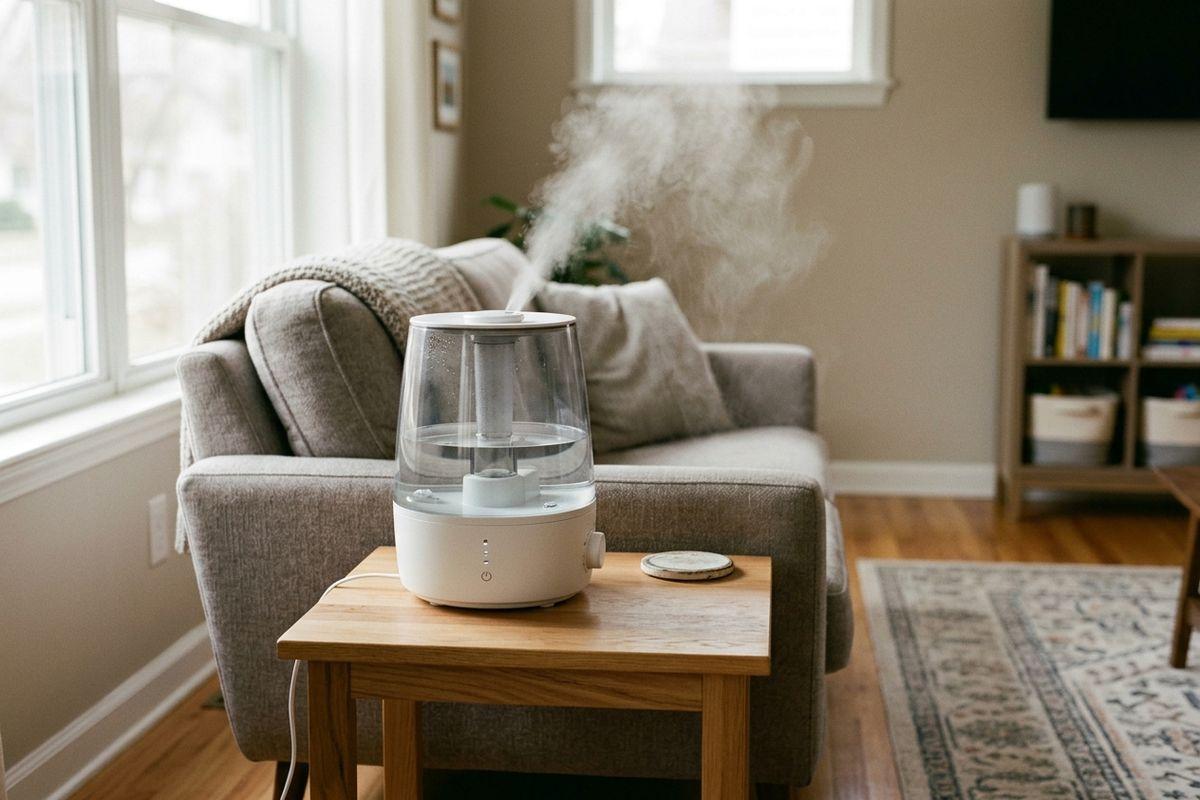
- Use a humidifier at home or in your workspace to add moisture to dry indoor air
- Take regular screen breaks every 20 minutes and make a conscious effort to blink fully
- Redirect fans and air vents so they aren’t blowing directly toward your face
When Home Remedies Aren’t Enough
Over-the-counter drops can take the edge off, but they don’t always get to the source of the problem. If your symptoms keep coming back or are getting worse, a professional eye exam can help figure out what’s really going on. Treatment options range from specific eye drops to in-office care, depending on what’s causing your dry eye.
Watch for these warning signs indicating you need professional care:
- Symptoms that persist even after using artificial tears regularly
- Pain, worsening blurry vision
- Mucus buildup that doesn’t clear
- Dry eye that affects your ability to read, drive, or focus at work
If any of these sound familiar, it’s a good time to make an appointment. Conditions like meibomian gland dysfunction are a common contributor to persistent dry eye that home remedies alone often can’t address.
Find Lasting Relief for Your Irritated Eyes
Dry eye is common, but that doesn’t mean you have to live with the discomfort. Our team is here to help you understand what’s going on with your eyes and find a path forward that fits your life. Whether your symptoms are new or something you’ve been managing for a while, getting a proper evaluation can make a real difference in how you see and feel every day.
Stop relying on temporary fixes and get the targeted care you need. Schedule an appointment with EyeQ Optical and take the first step toward clear, comfortable vision.