
If your eyes often feel gritty, dry, or have a burning sensation, you know how frustrating it can be. This discomfort can interrupt your day, making it hard to focus on work or enjoy your favorite hobbies, which is why our team at EyeQ Optical is dedicated to helping you understand and manage your visual health.
The duration of mebomian gland dysfunction (MGD) depends on its severity and the management approach, but with proper care, you can find ongoing comfort.
What Is Meibomian Gland Dysfunction?
Meibomian gland dysfunction (MGD) happens when the tiny glands that line your eyelids get clogged. These glands are responsible for producing the oily layer of your tear film, which helps keep your eyes feeling moist and comfortable.
The Job of Your Meibomian Glands
These tiny oil-producing glands release a substance that mixes with your tears, creating a protective coating over your eye’s surface. This coating helps prevent your tears from drying up too quickly.
How Blocked Glands Affect Your Eye Comfort
When these glands become blocked, that oil can’t get out. Without it, your tears evaporate faster than they should, leading to the familiar symptoms of dry eye.
Common MGD Causes and Signs
Key Causes and Factors
Several factors can contribute to MGD and affect the oil production. The cause of meibomian gland dysfunction determines the treatment you need, which is why a personalized approach is so important. MGD can be affected by:
- Age-related changes in your body
- Certain medications you may take
- Environmental factors like dry air or wind
- Health conditions such as rosacea or autoimmune disorders
Symptoms to Watch For
If you notice any of the following symptoms, it may be time to schedule a visit with an eye doctor in Cooper City:
- Dry, scratchy, or burning eyes
- Red or inflamed-looking eyelids
- Vision that blurs and clears when you blink
- Watery eyes, which can be your body’s response to the irritation
- A new sensitivity to light
How Long You Can Expect MGD to Last
The length of time you experience MGD symptoms often depends on how severe the condition is. Without a management plan, the discomfort can linger for weeks, months, or become a recurring problem.
Short-Term vs. Long-Term Discomfort
In milder cases, symptoms might clear up in a few weeks with simple at-home care. For many people, however, MGD can be a long-term condition with flare-ups that appear from time to time.
The Role of Professional Eye Care
Working with an eye care professional can make a significant difference. A personalized care plan can help manage your symptoms effectively, providing comfort and supporting your long-term eye health.
Treatment Options for Meibomian Gland Dysfunction
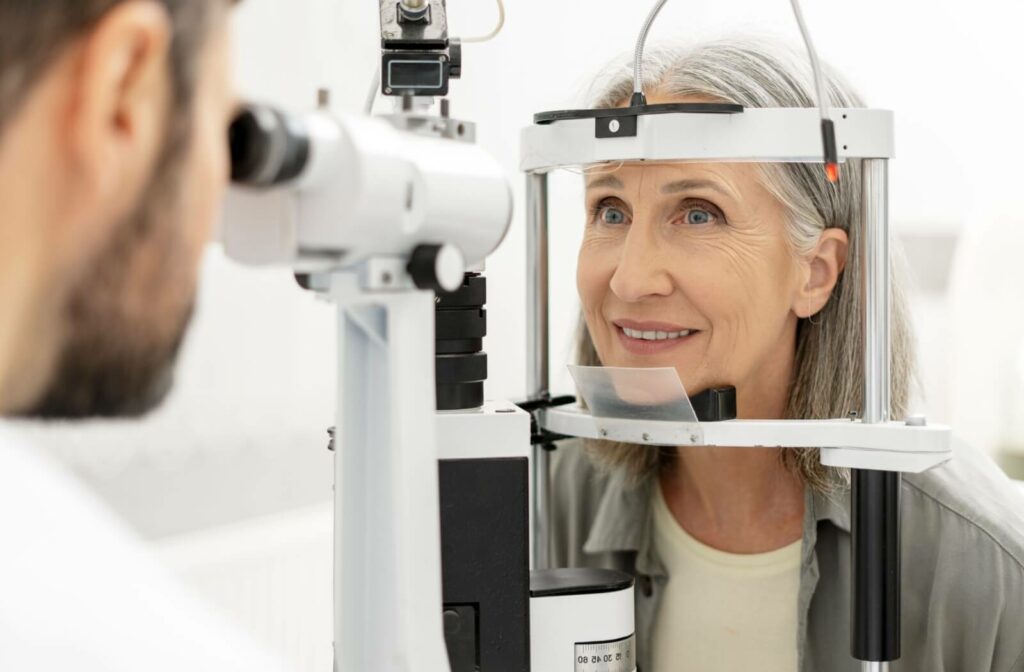
Your eye care team can recommend a treatment plan designed for your specific needs. The goal is to help improve the normal flow of oil from the glands in your eyelids.
Nutritional Supplements and Eye Drops
Changes in nutrition and supplements can support your overall health and, in turn, your eyes. For more immediate relief from dryness, preservative-free lubricating drops or specific prescription eye drops may be suggested.
Innovative In-Office Treatments
When at-home care is not providing enough relief, your eye doctor might talk to you about in-office options. Treatments like OptiLight by Lumenis use gentle light to help support gland production and improve the flow of oil to your eyes’ surface.
Find Relief and Take Control of Your Eye Health
You don’t have to put up with the daily discomfort of dry, irritated eyes. Our team at EyeQ Optical is ready to help you find a path forward. Schedule a conversation with a member of our team today to discuss your symptoms and create a plan that works for you.